
HR: More on the To-Do List, Less to Do It With
Is working in HR harder than it’s ever been?
It’s a question we’ve found ourselves discussing recently, after hearing more than a few stories of experienced HR professionals feeling fatigued, stretched and, in some cases, questioning whether they want to stay in the profession at all.
So, we put the question to our HRLife network – ‘What has made working in HR harder in recent years?’
The results were interesting:
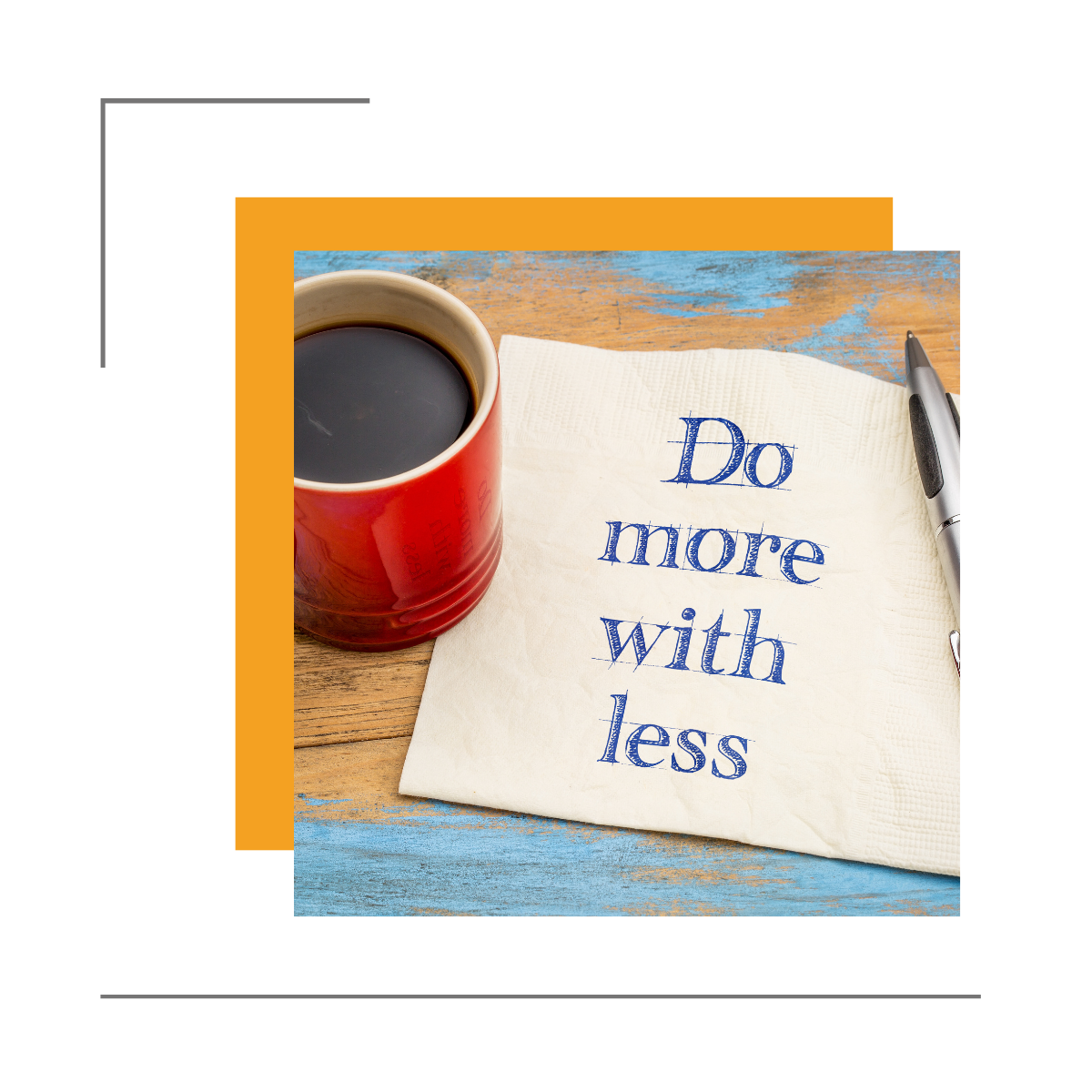
43% – Having to do more with less
28% – Higher employee expectations
18% – Employment law changes
10% – AI & rapid tech change
Perhaps unsurprisingly, having to do more with less came out comfortably on top.
But perhaps there’s a bigger question behind that result. Is the issue simply that HR teams are under-resourced? Or has the role of HR quietly expanded to the point where too much is being asked of the function and the people working within it?
When did HR become responsible for so much?
The remit of HR has grown enormously.
Of course, there are the things we’ve always associated with HR: whether that’s recruitment, employee relations, reward, learning and development, organisational design or the day-to-day people issues that come with employing people.
But increasingly, the list doesn’t stop there.
Culture. Engagement. Wellbeing. Mental health. DE&I. Employee experience. Hybrid working Vs a return to the office. AI. Data. Transformation. Internal communications. Leadership capability. Organisational effectiveness. Change management.
And that’s before somebody walks through the door with an urgent employee issue at 4.45pm on a Friday for a “have you got 5 minutes?” chat.
There’s plenty of good reasons for many of these things to sit with or at least involve HR. But collectively, it’s quite a remit!
And in many businesses, that remit has grown without HR teams, budgets or resources growing with it.
Hence: doing more with less!
Expectations have changed too
It isn’t only the volume of work that has increased. Expectations of HR have changed considerably.
More than ever, HR is expected to be commercial, strategic and data-led. HR leaders need to influence at Board level, support transformation, navigate increasingly complex organisational change and demonstrate tangible business impact while also being responsible for the culture and making it a fun and engaging place to work.
At the same time, employees quite rightly expect more from their employers.
We’ve seen candidate’s “wish-lists” for their new role evolve over the years. Flexibility, development, wellbeing support, inclusive cultures, good leadership and a defined strategy as well as a positive employee experience that reflects what organisations say about themselves externally are usually on the list.
Our poll suggests this is being felt too, with 28% choosing higher employee expectations as the biggest factor making HR harder.
HR therefore finds itself in an interesting position, it’s expected to represent the needs of the business while also understanding and advocating for its people.
That balancing act has always existed. But arguably there are now more things sitting on either side of the scales.
And not forgetting AI…
AI and rapid technology change received the fewest votes in our poll at 10%.
Perhaps that’s because, for many HR teams, AI isn't necessarily the biggest problem right now (let’s revisit this in 5 years time!). In fact, used well, it has the potential to take some work off the HR to-do list.
But it does bring another responsibility.
HR is increasingly being drawn into conversations around how AI is used at work, what it means for jobs, skills and organisational design, how employees should use it responsibly and how businesses manage the People implications of technological change.
Once again, HR has a role to play.
The question is how many roles can one function play?
Should everything with ‘people’ attached to it belong to HR?
Perhaps this is where the conversation needs to shift.
Because there can be a tendency for anything involving people to become an HR responsibility.
Culture? HR.
Engagement? HR.
Wellbeing? HR.
Retention? HR.
Poor management? HR.
HR can create the frameworks, provide the expertise, challenge the business and support its leaders, but it can’t single-handedly create the culture, engage every employee or continually compensate for poor management practices. Surely those things have to be a collective responsibility, owned across the wider business rather than sitting at HR’s door.
Maybe the answer isn’t simply bigger HR teams, although in some organisations additional resource would undoubtedly help. The reality is that many businesses simply don’t have the budget or appetite to add headcount. And that brings us straight back to the point that came through so strongly in our poll: doing more with less.
When expectations continue to grow but the resource available doesn’t, something eventually has to give. People become stretched, priorities compete and, over time, the risk of fatigue and burnout becomes very real.
Perhaps, then, part of the answer lies in greater clarity around responsibility: what should HR own, what should HR influence, and what do managers and leaders need to take responsibility for themselves?
Because if everything involving people ultimately becomes an HR responsibility, perhaps it’s no surprise that HR increasingly feels like it’s being asked to do too much.
So, is HR being asked to do too much?
In some organisations, we think it probably is.
Not necessarily because any one expectation is unreasonable, but because the expectations have accumulated.
Be strategic, but stay operational and roll up the sleeves.
Be commercial, but be the employee voice.
Use data, but don't lose the human element.
Drive change, support managers, build culture, improve engagement, embrace AI, develop leaders and ideally do all of it faster and at pace, winning hearts and minds as you go!
It’s easy to see why doing more with less resonated so strongly with our network.